

2024 gamay
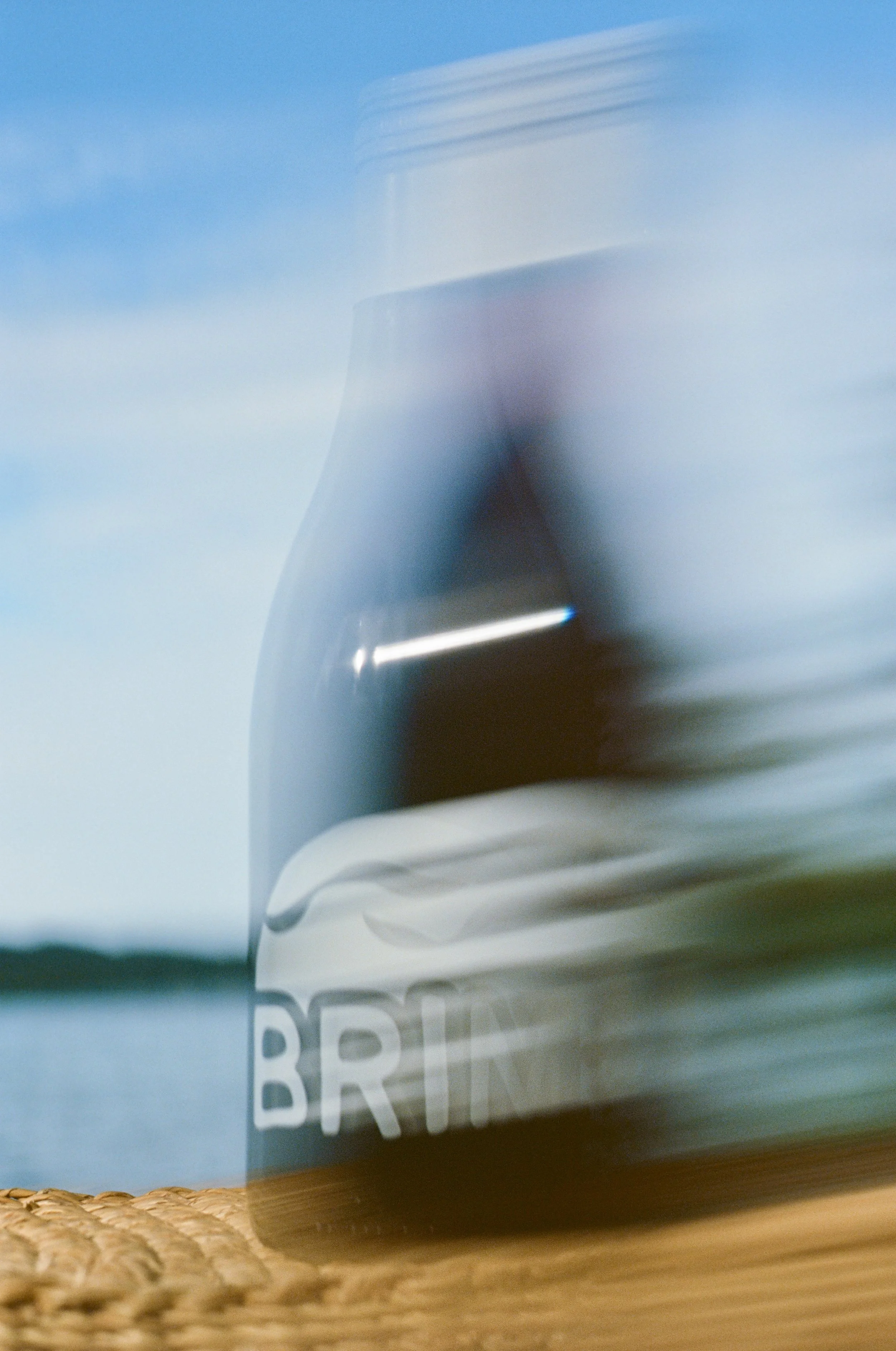
Woof. Where do I even begin when talking about Gamay? I’ve had a pretty intense love of gamay since I first got into wine. When I was looking to work a wine harvest, I saw that Northern Michigan grew gamay, and immediately felt compelled to check it out. After tasting the gamays from Big Little, Mari, and Left Foot Charley, I knew I had to uproot my life from Chicago and move north. The varietal grown up here showed something different that I hadn’t found in any other gamays of the world–this peppery/dusty rock character. I was hooked.
Fast forward to 2024, when I was planning out fruit for my first commercial vintage, I knew I had to try my damnedest to get some gamay. One of my favorite versions up here has always been the one from Big Little–if you haven’t picked it up before, you need to fix that. I shot for the moon and reached out to see if the Laing brothers and crew would allow me to purchase 1200# from them, and to my surprise, they were kind enough to oblige.
Some of my favorite versions of gamay (and red wines in general) usually veer more towards light, bright, and fun, so that’s what I typically aim for in my reds. Although the wine definitely shows elements of a typical fresh and fruity red, there is a hearty side to it. I think my encouragement of lees contact and integration, and it being such a ripe year, made for a more balanced body and tobacco character.
So maybe it’s not quite as light on its feet as I had originally intended, but I love this wine, and “lessons learned” is one of the great joys of making wine. I can have feelings, and intentions, but the fruit, and Mother Nature will take its course. I can be observant and do what I can, but I’m just paddling a boat downstream, clinging to the hope that it doesn’t suck. And if it does, or if there are pieces of a wine that I learn what not to do from, there’s always next year.
Process:
The ‘24 vintage was one for the books and the grapes showed it. Picked on October 28 at a whopping 24.9 brix and 3.30 pH, the fruit was destemmed then tossed into three open top wine barrels. The native yeast wasted no time getting to work and started raging after a few days. I really prefer reds that lean towards light bodied and bright over heavy, bold and tannic, so I pressed early with plenty of fermentation left to go. The wine saw only a few months in oak–to help soften any edges– but spent the rest of its life in stainless, in an attempt to retain freshness. It was bottled unfiltered in August of 2025
Tasting Notes:
Dark cherries and blackberries
Leather and crushed pepper
Crunchy and lively
34 cases produced